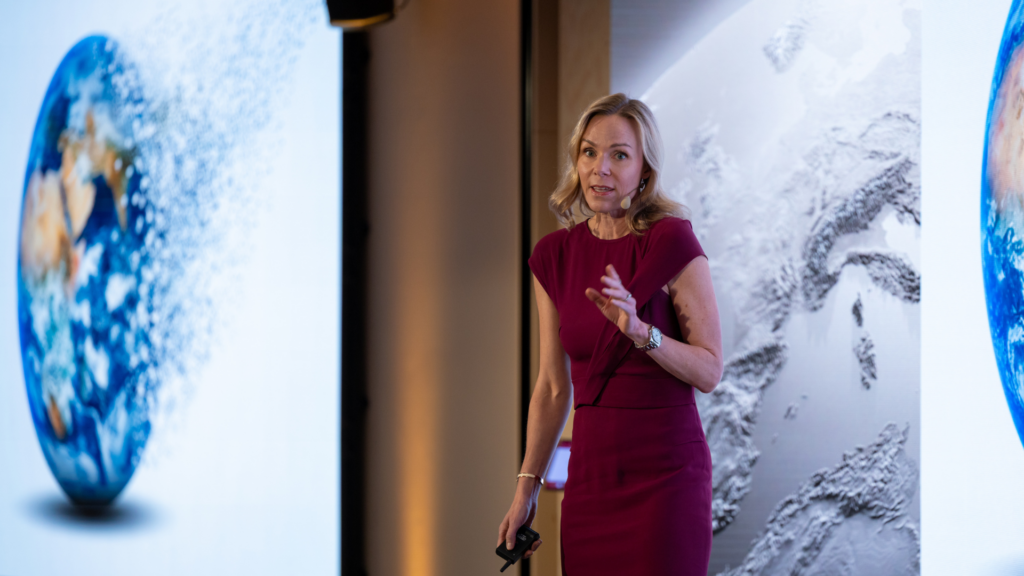
A week ago, we brought together 120 clients and partners at HPP Connect ’26. We started the day with a thought-provoking keynote by Anu Bradford, Professor at Columbia Law School, who offered a powerful perspective on how geopolitical change, technology and regulation are reshaping the world around us.
That set the stage for the two forces at the heart of our discussions: geopolitics and AI. Geopolitical change has disrupted supply chains, reshaped energy strategies, challenged the rules-based international order – and, perhaps most importantly, eroded trust.
At the same time, AI is transforming the way lawyers work. It can already process vast amounts of information, identify patterns and produce increasingly sophisticated legal work. And it will get better. So, the question is no longer whether AI will change legal work. It is: Why do we still need human lawyers – and for what?
The answer, I believe, is responsibility and trust. AI does not bear responsibility for the advice it gives or the mistakes it makes. It is not bound by professional ethics. It does not have a duty to protect a client’s interests. A lawyer does.
And perhaps this is where geopolitics, AI and the future of law converge. At a time when geopolitical shifts are eroding trust in institutions and across borders, AI is forcing us to ask what – and whom – we can trust in our professional lives.
The more technology transforms how we work, the more important trust becomes. AI may change how legal work is done. But in an increasingly uncertain world, someone still needs to exercise judgment, take responsibility – and stand behind it.
Best regards,
Antti Rintakoski
Managing Partner at HPP